I don’t have a dog in this race
Posted: March 17, 2018 Filed under: Uncategorized | Tags: Bill Simmons, don't have a dog in this hunt, don't have a horse in this race, expressions, humor, language, malaphor, malaphors, words 4 Comments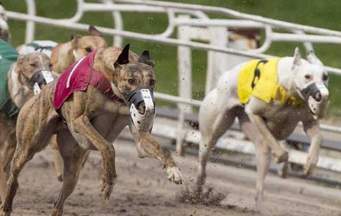
She can’t pull it through
Posted: March 15, 2018 Filed under: Uncategorized | Tags: expressions, humor, malaphor, malaphors, pull it off, words Leave a commentThis was overheard in a discussion about Tonya Harding and Nancy Kerrigan. The speaker was saying that while Tonya may have known of the planned attack, she didn’t think she could “pull it through”. This is a mashup of “pull it off” and “go through with it”, both meaning to be able to accomplish something. A big thanks to John Kooser who heard this one and passed it on.

He’s not the brightest fish in the shed
Posted: March 10, 2018 Filed under: Uncategorized | Tags: humor, idioms, malaphor, malaphors, not the only fish in the sea, wordplay, words Leave a commentIn the continuing series on malaphors describing those who are not very intelligent, I give you this “three way malaphor”. It is a tri-mashup of “not the sharpest tool in the shed” and “not the brightest bulb in the chandelier”, both describing someone who is not very smart, combined with “not the only fish in the sea” (plenty of other suitable persons). I have posted multiple variations of this subject in the past, including “not the brightest knife in the drawer”, “not the brightest bulb in the shed”, and “not the sharpest bulb in the shed”. It just shows that we may want to look in the mirror every once in awhile. A big thanks to Kimberly Gorgichuk for hearing this one and passing it on.
The two hats should never cross
Posted: March 9, 2018 Filed under: Uncategorized | Tags: crossing paths, expressions, humor, malaphor, malaphors, Orlando Sentinel, Scott Maxwell, wearing two hats, words Leave a commentThis one is from a tweet posted by Orlando Sentinel columnist Scott Maxwell. A reader wrote to him:
“Back when I was a pre-K teacher, I was also a responsible gun-owner. Never had a shooting, but if I had, I couldn’t have managed 20 kids AND a gun. The two hats should never cross.”
This is a mashup of “wearing two hats” (to hold or function in one position or role) and “crossing paths” (to meet someone by chance and not by choice). A tip of the hat to Tom Justice for seeing this one and sending it in.
I put my motivation on the back seat
Posted: March 8, 2018 Filed under: Uncategorized | Tags: expressions, humor, language, malaphor, malaphors, on the back burner, take a back seat, words Leave a commentThis jumble was spoken by someone who was relating that she had no been motivated in the past but was now ready to move forward. It is a mashup of “on the back burner” (postponed or suspended) and “take a back seat” (occupy an inferior position; allow another to be in control). Both idioms contain the word “back”, causing I suspect the confusion. Not sure I have left my motivation on the back seat of the car, but certainly my wallet and sunglasses. A big thanks to Lynn Hannula Johnson for hearing this one and sending it in.
Are you giving me a break?
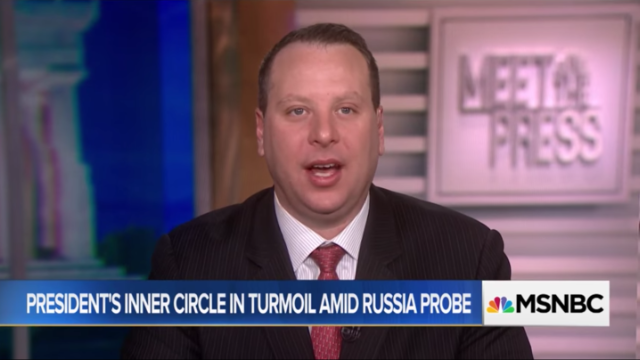
Posted: March 6, 2018 Filed under: Uncategorized | Tags: are you kidding me?, expressions, give me a break, humor, malaphor, malaphors, MSNBC, Sam Nunberg, Spin, words Leave a commentHad to post this congruent conflation immediately, as it was said last night by former Trump aide Sam Nunberg on in an MSNBC interview. Given the context, Nunberg mixed “give me a break”, and “are you kidding me?”, both scoffling retorts to something that seems unbelievable or ridiculous.“Are you giving me a break?” Spin.com calls it a “Borat-esque phrase”, but you and I know it to be a beautifully constructed malaphor. https://www.spin.com/2018/03/ex-trump-aide-sam-nunberg-was-unhinged-long-before-todays-meltdown/
A big thanks to Frank King for hearing this one and passing it on.
If you liked this jumble, take a break and pick up my book on malaphors, “He Smokes Like a Fish and other Malaphors”, available on Amazon! Just click here: https://www.amazon.com/dp/0692652205
Even the playing field
Posted: March 5, 2018 Filed under: Uncategorized | Tags: books, even the odds, expressions, humor, Jenna Bush Hager, level the playing field, malaphor, malaphors, words Leave a commentThis subtle congruent conflation was uttered by Jenna Bush Hager on the Today show. It is a mashup of “level the playing field” and “even the odds”, both meaning to make a situation or activity more fair and balanced. This one is heard often, as the two expressions have the same meaning and contain words that are synonyms – even and level. A big thanks to Frank King for hearing this one and sending it in. Frank has the ears of a hawk when it comes to malaphors. By the way, check out Frank’s website, http://www.themhcomedian.com/frank-king-speaking/.

She’s the bread earner
Posted: March 3, 2018 Filed under: Uncategorized | Tags: breadwinner, expressions, humor, language, malaphor, malaphors, wage earner, words Leave a commentThe speaker was talking about a couple and their finances. It is a nice congruent conflation of “breadwinner” and “wage earner”, both referring to the person whose earnings are the primary support for his/her dependents. Of course, “bread” is slang for money, so bread earner makes a lot of sense (cents?) to me. A big thanks to Elaine Hatfield for sharing this one.
Looking for a mechanic that won’t try to pull the fleece over my head
Posted: March 1, 2018 Filed under: Uncategorized | Tags: expressions, fleeced, humor, language, malaphor, malaphors, pull the wool over my eyes, words 3 CommentsThis was posted on a neighborhood site in Baltimore looking for recommendations. It is a congruent conflation of “fleece” and “pull the wool over my eyes”, both meaning to cheat or deceive. Lots going on here in the recesses of the brain. Fleece as a noun is a lightweight jacket, so the idea of pulling it over one’s head makes sense. A fleece is also the woollen coat of a domestic sheep, so the speaker might have been thinking of wool and fleece at the same time. Using the word as a noun but thinking of it as a verb makes this a very interesting malaphor. Also, eyes are part of the head so the mixing of these body parts were clearly in the speaker’s brain. A big thanks to Larry Mason for spotting this one and sharing it.

This may not be the cross I want to die on
Posted: February 28, 2018 Filed under: Uncategorized | Tags: expressions, fall on my sword, humor, language, malaphor, malaphors, not the hill I want to die on, words 2 CommentsThere was a discussion about due process errors in a law office, and this was uttered by someone who didn’t think they were worth fighting for. It is a congruent conflation of the military expressions “not the hill to die on” and “fall on (one’s) sword”, both meaning something so important it must be dealt with. While the word “sword” does not appear in the malaphor, my guess is that the speaker was thinking of a sword when he said “cross”, as the sword looks like a cross. Also there might be some Christian symbolism of dying on a cross wrapped up in this one. A big thanks to Yvonne Stam for hearing this one and passing it on.

 Malaphors
Recent Comments