It’s nerve curdling
Posted: May 4, 2020 Filed under: Uncategorized | Tags: blood-curdling, covid-19, humor, idioms, language, malaphor, malaphors, nerve-racking, Rachel Maddow, words 2 Comments
Salt Lake City is not through the weeds yet
Posted: May 1, 2020 Filed under: Uncategorized | Tags: Eric Mendenhall, expressions, humor, in the weeds, malaphor, out of the woods, Salt lake City, words Leave a commentThis is the headline in a recent Salt Lake City Tribune newspaper article, discussing the city’s need to continue practicing social distancing and mask wearing because of the Covid-19 virus. Here is the headline:
https://www.sltrib.com/opinion/commentary/2020/04/24/erin-mendenhall-salt-lake/
I think it is a mashup of “out of the woods” (out of danger) and “in the weeds” (consumed with details). “Weeds” and woods” sound similar, contributing to the mixup. Or perhaps Utah is thinking of legislating marijuana? A big thanks to Kathy Shand for spotting this beauty. @sltrib @slcmayor

That tops the cake
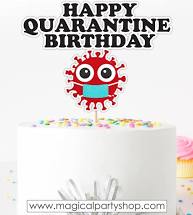
Posted: April 29, 2020 Filed under: Uncategorized | Tags: cake topper, expressions, humor, idioms, malaphor, malaphors, takes the cake, tops them all, words Leave a commentThe contributor’s mom said this one. It is a congruent conflation of “takes the cake” and “tops them all”, both meaning to win or be the most outstanding in some respect. My guess is that the speaker was also thinking of a cake topper. A big thanks to Mike Kovacs for hearing this one from his Mom and sending it in.
Is Papi pulling your goat?
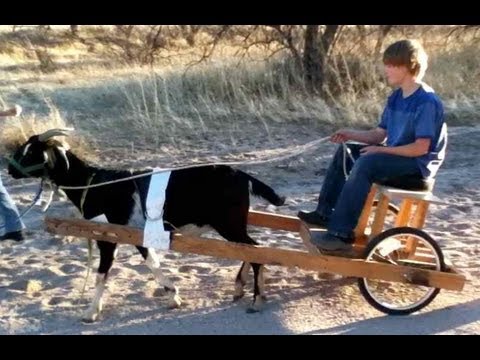
Posted: April 27, 2020 Filed under: Uncategorized | Tags: expressions, get your goat, humor, idioms, malaphor, pulling your leg, words 2 CommentsYesterday over breakfast the contributor of this malaphor made some inane comment to his wife. Their 5 yr old granddaughter, who was visiting, then blurted out, “Is Papi pulling your goat?” This is a mashup of “pulling (one’s) leg” (kidding or teasing someone) and “get (one’s) goat” (to irritate or annoy someone). Certainly one can pull a goat, and vice versa (see pic). And the words “pull” and “get” are similar in meaning. Perhaps the little one had some pulled pork the night before. Adn if you haven’t had it before, “pulled goat” is pretty good as well.
Interestingly, the origin of the phrase “get your goat” derives from a tradition in horse racing. Thought to have a calming effect on high-strung thoroughbreds, a goat was placed in the horse’s stall on the night before the race. A big thanks to Dan Chavez who heard this one and sent it in.
They help put all the ducks in place
Posted: April 20, 2020 Filed under: Uncategorized | Tags: ducks in a row, expressions, fall in place, humor, idioms, language, malaphor, words Leave a commentMy wife and I heard this one on the PBS Newshour. A person was talking about how her parents are helping her during the pandemic. This is a congruent conflation of “put your ducks in a row” and “fall in place”, both meaning to be organized or things fitting well. I supposed one needs to put the ducks in their place when arranging them in a row.
I went around his back
Posted: April 15, 2020 Filed under: Uncategorized | Tags: expressions, humor, idioms, jennifer Aniston, Jimmy Kimmel, language, malaphor, went around him, went behind his back, words Leave a commentAt first blush, this sounds right but on closer inspection I think it’s a bona fide malaphor. In an interview with Jimmy Kimmel, Jennifer Aniston said this one when she was talking about auditioning for a role on the soap opera in which her Dad was a regular cast member. It’s a congruent conflation of “go behind (someone’s) back” and “go around”, both meaning to do something secretly or without your permission. This subtle mashup required someone with the ears of a hawk and that would be none other than Mike Kovacs, a regular contributor to this website. Thanks Mike!

I’ll bet my last doughnut
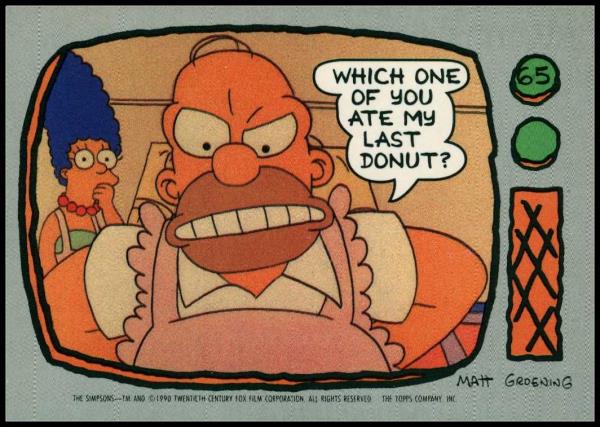
Posted: April 13, 2020 Filed under: Uncategorized Leave a commentNicole Wallace said this one on MSNBC the other day. This is a congruent conflation of “bet (one’s) bottom (or last) dollar” and “dollars to doughnuts” both meaning something certain to happen. Sometimes the phrase includes the spelling “donuts”. The alliterative quality probably induced the mixup. As for the phrase, “dollars to donuts”, it was originally ‘dollars-to-buttons’ and ‘dollars-to-dumplings’ appearing in the 1880s. They were replaced by 1890 with the more popular ‘dollars-to-doughnuts’ (a 1904 variation, ‘dollars-to-cobwebs,’ never became very common, perhaps because it didn’t alliterate).” [From “Listening to America” by Stuart Berg Flexner (Simon and Schuster, New York, 1982). All meant that one was willing to bet money to something practically worthless, emphasizing how certain you are that you are correct. A big thanks to Steve Messinger for hearing this one and sending it in!
I’m going to go with my first gut
Posted: April 10, 2020 Filed under: Uncategorized | Tags: first impression, gut feeling, humor, idioms, malaphor, malaphors, mashup, words Leave a commentA college student was tired of over thinking multiple choice test questions and said this malaphor. It is a nice mashup of “first impression” (opinion formed on first meeting someone) and “gut feeling” (an instinct or intuition about something). Both expressions involve immediate reactions to something, and are visceral in nature. Of course, a tight belt forms a first and second gut as well. A big thanks to John Kooser who heard this one and passed it on.
The Captain of the aircraft carrier didn’t raise alarm bells
Posted: April 8, 2020 Filed under: Uncategorized | Tags: Courtney Kubeg, expressions, humor, language, malaphor, raise the alarm, ring the bell, words Leave a comment
But what if the whole thing goes belly under?
Posted: April 6, 2020 Filed under: Uncategorized | Tags: belly up, covid-19, expressions, go under, humor, idioms, malaphor, words Leave a commentThe speaker, who is a flight attendant, was talking to her son about possibly taking a voluntary leave of absence in light of covid-19, but fearful about the financial status of her airline company that she works for. This is a nice congruent conflation of “going under” and “going belly up”, both referring to a business that goes bankrupt or cleases to exist. This is a directional (“under” vs. “up”) mixup, common in the malaphor world. A big thanks to Jody Compton for uttering this one, recognizing it as a bona fide malaphor, and sending it in.

 Malaphors
Recent Comments