He wasn’t even on her register
Posted: June 9, 2023 Filed under: Uncategorized Leave a commentSome college friends were reminiscing, talking about buying condoms from McLanahan’s, a classic Penn State establishment. One of the friend’s little sister was the lone cashier in the store, and the other friend who purchased one was mortified that she sold condoms at that age. Her sister then said, “she sold condoms to half the students at Penn State, so you weren’t even on her register.” This is a congruent conflation of “not on (one’s) radar” and “did not register”, both referring to something or someone not important or noteworthy. There is a pun there as well, as the speaker may have been thinking of a cash register as her little sister was a cashier. A big thanks to Adam Jacob for hearing this one and sending it in.
flex their influence
Posted: June 7, 2023 Filed under: Uncategorized Leave a commentThis malaphor was found in the USA Today:
“But there are senators on both sides of the aisle who have taken issue with parts of the Biden-McCarthy deal who will want to flex their influence even as the country tiptoes to an unprecedented financial cliff.” https://www.usatoday.com/story/news/politics/2023/06/01/schumer-mcconnell-senate-debt-deal-what-to-know/70274076007/
This is a congruent conflation of “flex (one’s) muscles” and “use (one’s) influence”, both meaning to demonstrate one’s influence or strength. Kudos to Barry Eigen for spotting this one and sending it in.
Megahorn
Posted: June 2, 2023 Filed under: Uncategorized Leave a commentToday’s malaphor is a word blend. The speaker was talking about proclaiming something loudly and in public, and said he would use a “megahorn”. This is a single word congruent conflation of “bullhorn” and megaphone”, both devices used to amplify the sound of the voice so it can be heard at a distance.
As many of you know who follow this blog, a malaphor is usually an unintentional blend of two or more idioms. But occasionally one utters a word blend malaphor, a blend of two words. Slam-packed is a good example.
Someone asked me if my word blend malaphors are actually portmanteaus. I don’t think so. The main difference is that a portmanteau is an intentional word blend while a malaphor is unintentional. There are other differences:
A portmanteau is a combination of two (or more) words or morphemes, and their definitions, into one new word. A portmanteau word generally combines both sounds and meanings, as in smog, coined by blending smoke and fog. More generally, it may refer to any term or phrase that combines two or more meanings, for instance, the term “wurly” when describing hair that is both wavy and curly.
The word “portmanteau” was first used in this context by Lewis Carroll in the book Through the Looking-Glass (1871), in which Humpty Dumpty explains to Alice the coinage of the unusual words in Jabberwocky, where “slithy” means “lithe and slimy” and “mimsy” is “flimsy and miserable”. Humpty Dumpty explains the practice of combining words in various ways by telling Alice,
‘You see it’s like a portmanteau—there are two meanings packed up into one word.’
My single word blend malaphors are unconscious blends of words to make an unintentional new word. The word sounds or looks correct at first blush, but then on closer examination is incorrect. Examples on my website are “Buckminster Palace” (Buckingham and Westminster, and/or possibly Buckminster Fuller) and “split-minute decision” (split second and last minute). There are many others. Slam-packed is a great addition.
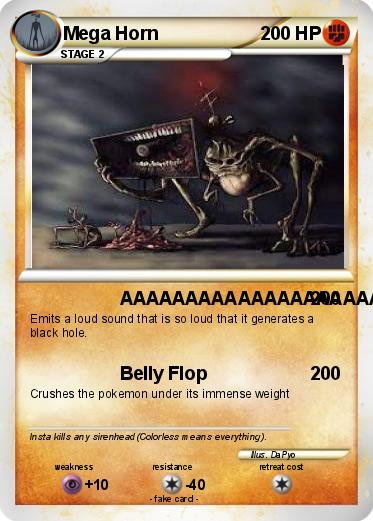
A shout out (through a bullphone) to Mike Kovacs for uttering this one accidentally and immediately recognizing it as a bona fide malaphor. As for the accompanying picture, perhaps Mike collects Pokemon cards?
We have to kick it into overtime
Posted: May 31, 2023 Filed under: Uncategorized Leave a commentOn the HGTV show “100 day beachfront hotel”, this malaphor appears in episode 2 at 20:20. Mika Kleinschmidt, the Tampa realtor and star of the reality show, says “we have to kick it into overtime.” This is a congruent conflation of “kick it into overdrive” and “working overtime”, both phrases meaning to work very hard to achieve something. Obviously the words “overdrive” and “overtime” sound and look similar, almost making this a malaprop. However, there are definitely two idioms/phrases mixed up here, making it a perfect, subtle malaphor. A big thanks to Yvonne Stam for hearing this one and sending it in!

Running around like chickens tearing our hair out
Posted: May 29, 2023 Filed under: Uncategorized Leave a commentAt a conference, the speaker said, “if it was easy, we wouldn’t be running around like chickens tearing our hair out.” This is a mashup of “run around like a chicken with its head cut off” (run around frantically; to be in a state of chaos) and “tear (one’s) hair out” (to be extremely worried or stressed about something). Both phrases describe a stressful situation and the speaker may have been confusing “head” and “hair”. Anyway, makes a very nice visual. A big thanks to Marcia Johnston for hearing this one and sending it in.

On the tip of my brain
Posted: May 27, 2023 Filed under: Uncategorized Leave a commentA jazz pianist performing a song was struggling to recall a name and said this nice malaphor. It is a congruent conflation of “on the tip of (one’s) tongue” and “rack (one’s) brain”, both meaning to struggle to recall or think of something. “On the brain” (obsessively) might also be in the mix, as the performer was obsessed with trying to remember a name. Perhaps “back of (one’s) mind” (referring to something one thinks of but with little conscious reflection) was also in the speaker’s thoughts. Kudos to Dan Geier for hearing this one and sending it in!
Boots on the street
Posted: May 26, 2023 Filed under: Uncategorized Leave a commentThis was heard on a conference call with salespeople. It is a mashup of “boots on the ground” (troops in place) and “feet on the street” (sales force members who go directly to the stores to place products and negotiate prices). The latter phrase even has an acronym – FOTS. Who knew? A big thanks to Mike Kovacs who heard this one and sent it in.

Dead on the money
Posted: May 19, 2023 Filed under: Uncategorized Leave a commentThis nice subtle malaphor was uttered by Joyce Vance, former U.S. Attorney, on the MSNBC show, The Beat with Ari Melber. She was talking about the lawsuit brought by Smartmatic against Fox. It is a congruent conflation of “dead on” and “right on the money”, both meaning exactly right or perfect. A shout out to Mike Kovacs for sharing this dead on the money malaphor.

Not out of the clear
Posted: May 17, 2023 Filed under: Uncategorized Leave a commentOverheard in a conversation. The speaker was talking about her workload, and that it was not quite finished. This is a congruent conflation of “out of the woods” and “in the clear”, both used to describe clear of danger or difficulty. A big thanks to Katie Norwood for uttering this one and then realizing it was a malaphor.
Did you like this one? If so, check out my book “He Smokes Like a Fish and other Malaphors”, available on Amazon for a cheap $7.99! https://www.amazon.com/dp/0692652205. Or try my sequel, “Things Are Not Rosy-Dory: Malaphors from Politicians and Pundits”, also on Amazon. They both make great bathroom reads. “A malaphor a day keeps irregularity away!”

They always keep you on your heels
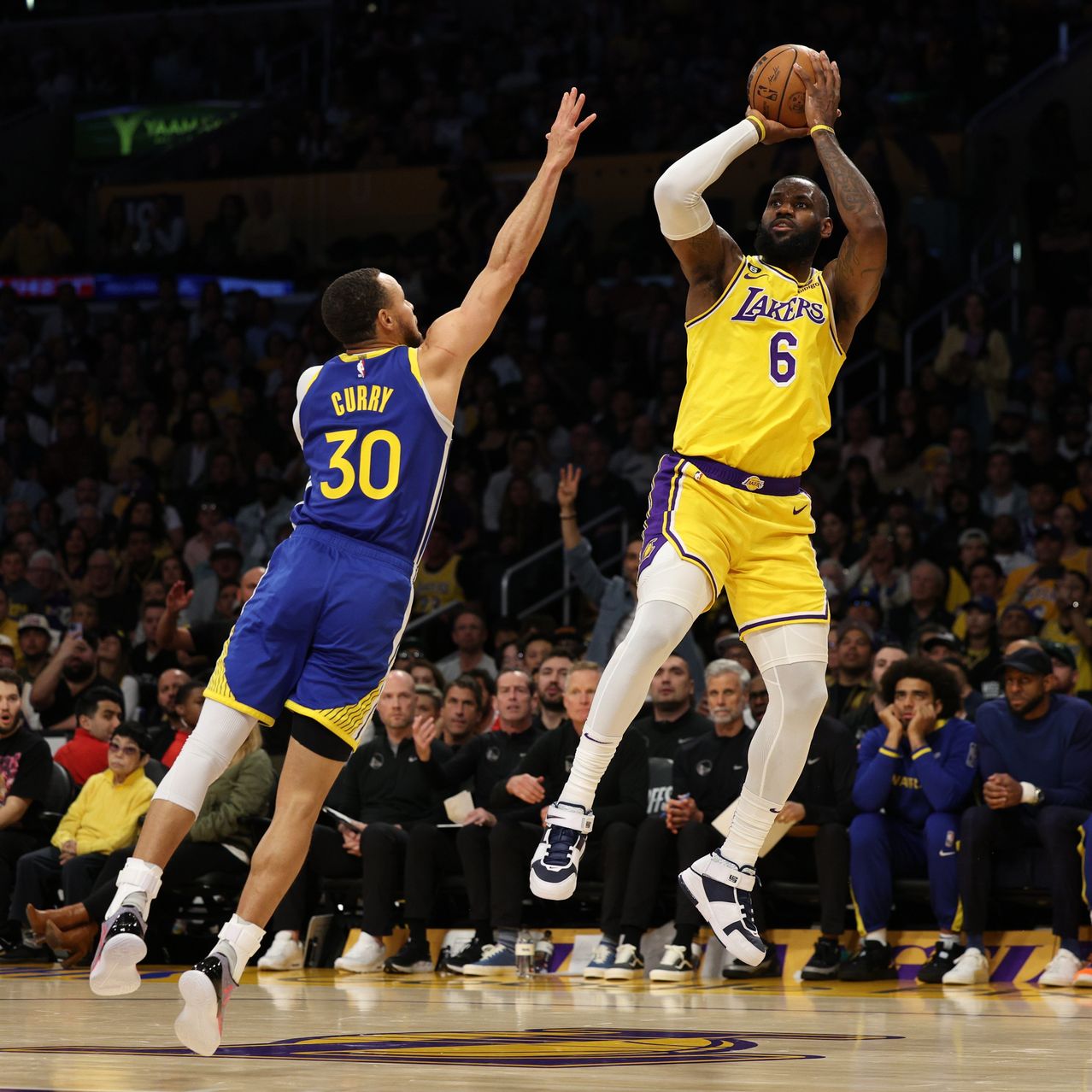
Posted: May 15, 2023 Filed under: Uncategorized 2 CommentsSaturday’s (may 13) Los Angeles Times featured an article about the NBA series between the Lakers and the Warriors. LeBron James was talking about Steph Curry and the Warrior team, “They always keep you on your heels. Anytime you relax, they’ll make you pay.”
http://enewspaper.latimes.com/infinity/article_share.aspx?guid=2981112f-9f5d-49bf-b901-2649bbd71a1f
This is a mashup of “keep (one) on (one’s) toes” (to force someone to stay active or alert) and “back on (one’s) heels” in a state of surprise or unease such that it affects one’s ability to perform). Toes, heels, and feet often get confused (type in any of these words on my website). Props to Beatrice Zablocki for spotting this one and sending it in!

 Malaphors
Recent Comments